Choosing the Right Wax and Fragrance for Your Warmer Lamp
Last updated: Thu Oct 01 2026 00:00:00 GMT+0000 (Coordinated Universal Time)
A candle warmer lamp is only as good as the candle inside it. The wrong wax will sit stubbornly un-melted under the bulb's heat; the wrong fragrance load will smell thin and disappointing. This guide explains what to look for.
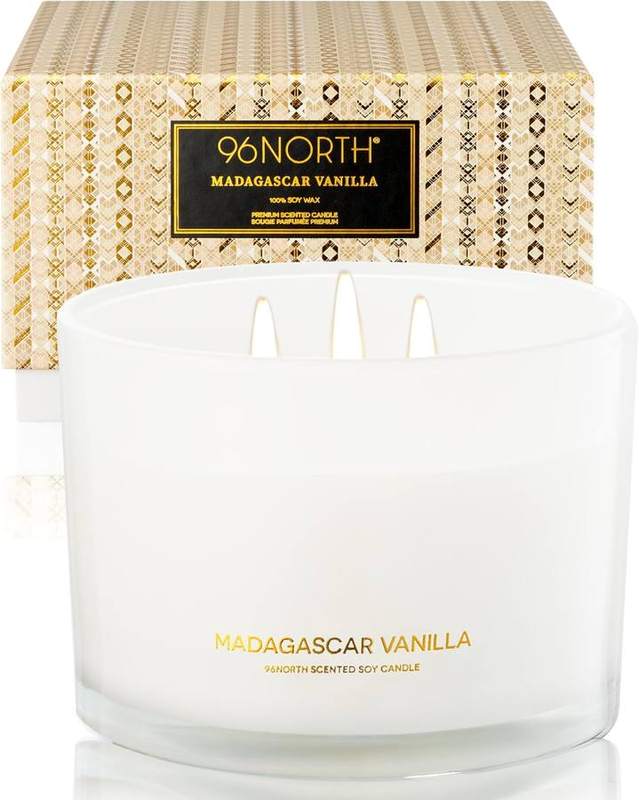
Wax type matters more than brand
The most important variable is the wax's melt point — the temperature at which it transitions from solid to liquid.
Soy wax melts at approximately 46–54 °C, which is ideal for a standard 25 W bulb. The surface softens evenly and releases fragrance smoothly. Soy is also a natural wax with minimal additives, which means fewer combustion concerns even though you are not burning it.
Beeswax has a higher melt point of around 62–65 °C. A 25 W bulb may not generate enough heat to melt beeswax efficiently, particularly in a cold room. With a 40 W bulb it works well, but fragrance release will be slower than with soy.
Paraffin melts at between 46–68 °C depending on blend. Most mass-market candles use paraffin or a paraffin-soy blend. These work well in warmer lamps but may release more of their fragrance compounds quickly, leading to a strong initial scent that fades sooner than a pure soy candle.
Coconut wax is similar to soy in melt point and performance and is worth trying if you want a very clean-burning wax.
Fragrance load
Fragrance load refers to how much fragrance oil the wax contains, expressed as a percentage of the total wax weight. Most jar candles contain between 6% and 12% fragrance.
For a warmer lamp, you want a fragrance load of at least 8%. Below this, the scent released at lower warming temperatures will be subtle to the point of being unnoticeable in a living room. Candles marketed as "room fill" or "throw candles" typically hit 10–12% and are well-suited to warming.
Be cautious with candles described only as "lightly fragranced" or "clean burning" — these may have fragrance loads below 5%, which will perform poorly in a warmer lamp.
Jar size and shape
The ideal jar candle for a warmer lamp has:
- A wide, flat top (at least 6 cm diameter) so the warming area is maximised
- A straight-sided or slightly tapered jar, not a narrowed or stemmed vessel
- A fill height of no more than 12 cm — beyond this, the lamp's shade will not sit at the right distance above the wax
A candle with a narrow neck or sculptural jar looks interesting on a shelf but will not perform as well in a lamp as a simple straight-sided jar.
What to avoid
Wood wick candles are designed for open-flame burning where the wick conducts heat and creates a crackling effect. In a warmer lamp, the wood wick serves no purpose and can sometimes prevent the wax near the wick from melting properly, leaving an awkward ring of unmelted wax. Avoid them unless you test first.
Candles with embedded botanicals or glitter can block even heat distribution and are generally not recommended for warmer lamps.
Very dark-coloured candles made with dyes can transfer dye to the inside of light-coloured glass shades at high temperatures. This is mainly a cosmetic concern but worth noting with pale shades.
Candles in the LAMPHAUS range
All candles available at LAMPHAUS have been selected for use in candle warmer lamps. Each uses a soy, beeswax or soy-blend wax with a fragrance load appropriate for warming rather than burning. You do not need to second-guess the compatibility.
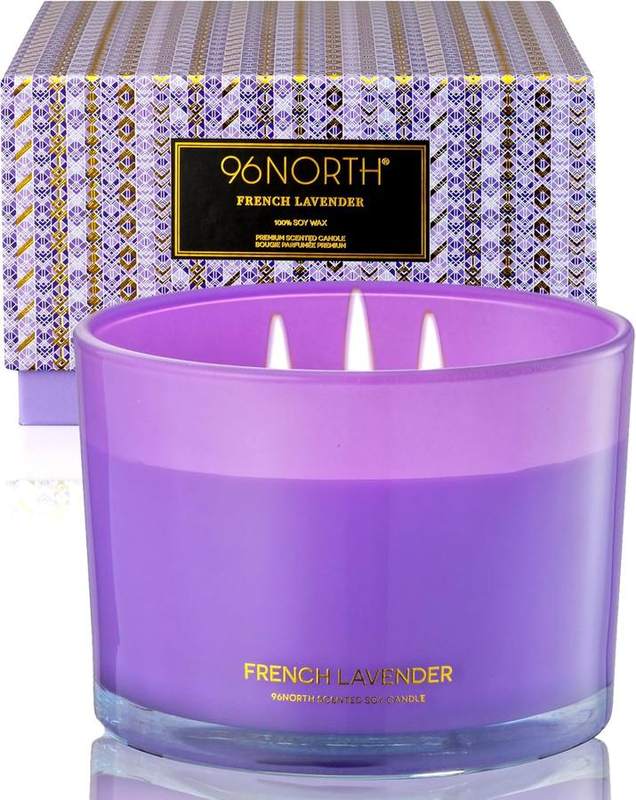
Browse all scented candles or replacement bulbs for your warmer lamp.